










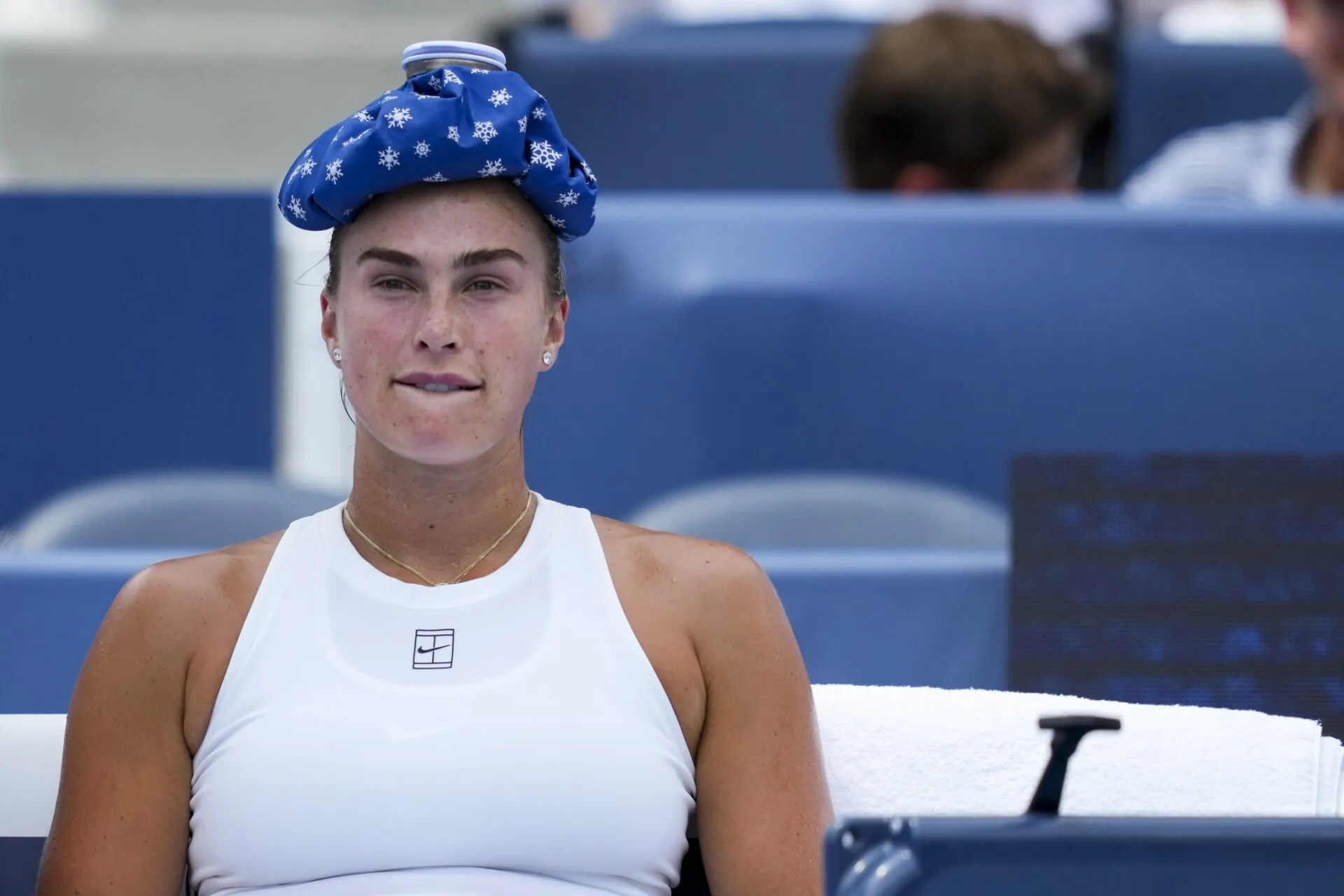
Climate change could cancel half of Cincinnati Open matches by 2033, new study warns
A new study has revealed alarming projections for the future of U.S. tennis, with the Cincinnati Open emerging as one of the most vulnerable tournaments to climate change impacts.
Research conducted by AskGamblers analyzed how extreme weather patterns are expected to disrupt professional tennis in the coming decades. The findings point to a troubling future for the Lindner Family Tennis Center, the long-time host of the Cincinnati Open.
Major Match Cancellations Predicted
- By 2026, nearly 49% of matches at the Cincinnati Open could be cancelled due to weather disruptions linked to climate change.
- By 2033, the forecast worsens to 50.31% of matches lost — making it the most severely affected tennis venue in the United States.
- By the end of the 21st century, almost 63% of scheduled matches could be cancelled, posing a serious threat to the tournament’s future.
A Wake-Up Call for Sports and Climate Action
These statistics highlight the growing urgency for sports organizations, venue operators, and governing bodies to adapt to changing climate conditions. The Cincinnati Open — one of the oldest and most prestigious events on the tennis calendar — may need to consider infrastructure upgrades, scheduling changes, and enhanced weather contingency plans to protect players, fans, and the competition itself.
The research serves as a stark reminder that climate change isn’t just an environmental issue — it’s also a sporting one, with the potential to reshape tournaments, player schedules, and the fan experience for generations to come.
*****
To get the data, we used the CMIP6 SSP3-7.0 scenario from the Copernicus Climate Data Store API (CDSAPI) to access high-resolution weather projections.
We used the coordinates of professional stadiums and grounds across the US, monthly and daily weather predictions from 2025 to 2100 for each sport (NFL, MLB, MLS, Golf, NASCAR & Tennis) and location. They then calculated the number of days per month when weather is projected to exceed the cancellation thresholds, and from that, the % chance of any day in the month having conditions which could cause a cancellation.
To ensure accuracy, the data was filtered to the relevant season for each sport, based on the typical months of scheduled professional competition.